Stalowa Wola – the new space innovation center in Poland is a place where innovation meets visions for the future.
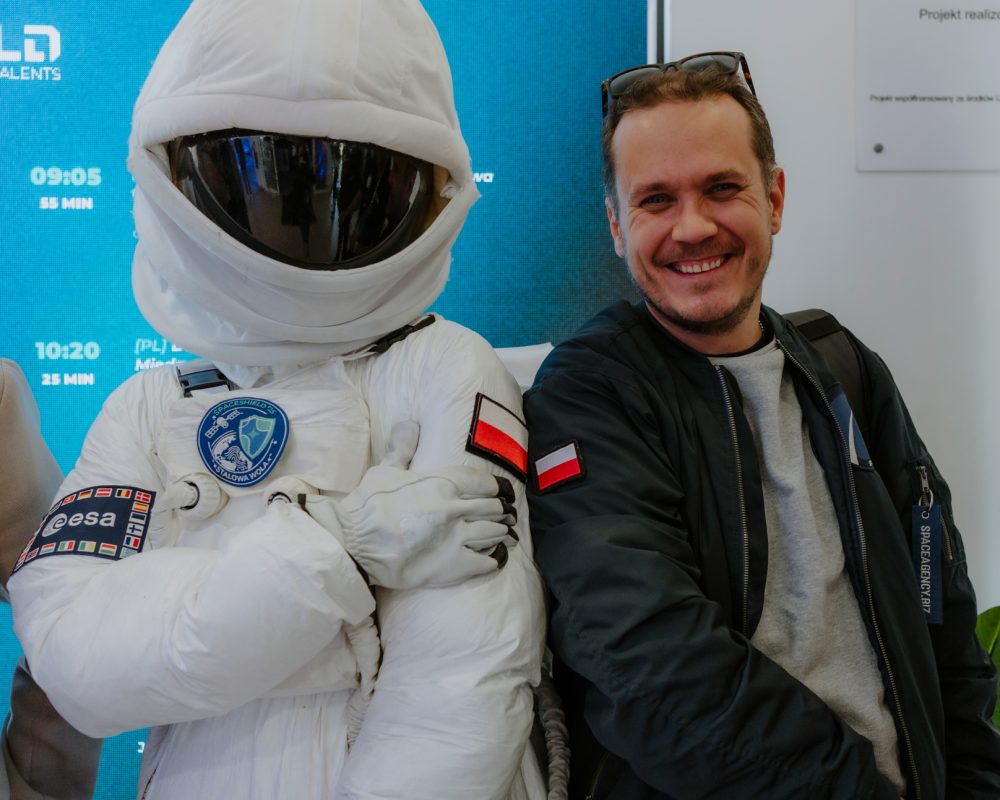
A special event is behind us – #SpaceShieldSummit 2026which once again turned Stalowa Wola in place of a real conversation about the future of defense and space technologies.
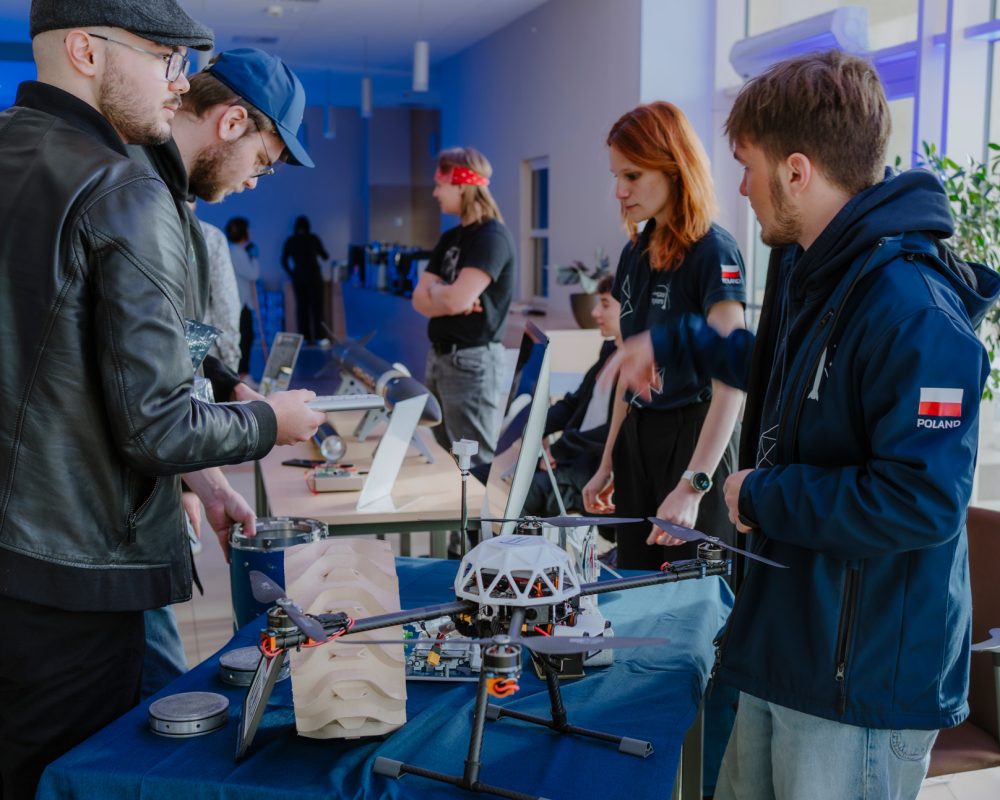
More than 1000 people met under one roof 500 leaders, experts and visionaries representing industry, science, and the public sector. Two days of intense debates, meetings, and networking demonstrated the rapid development of the space and defense technology ecosystem in Poland.
It is at events like these that local ambitions begin to connect with global opportunities – in areas such as space tech, cybersecurity or advanced electronics.
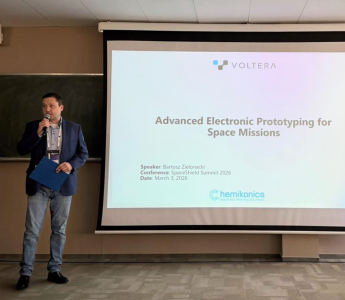
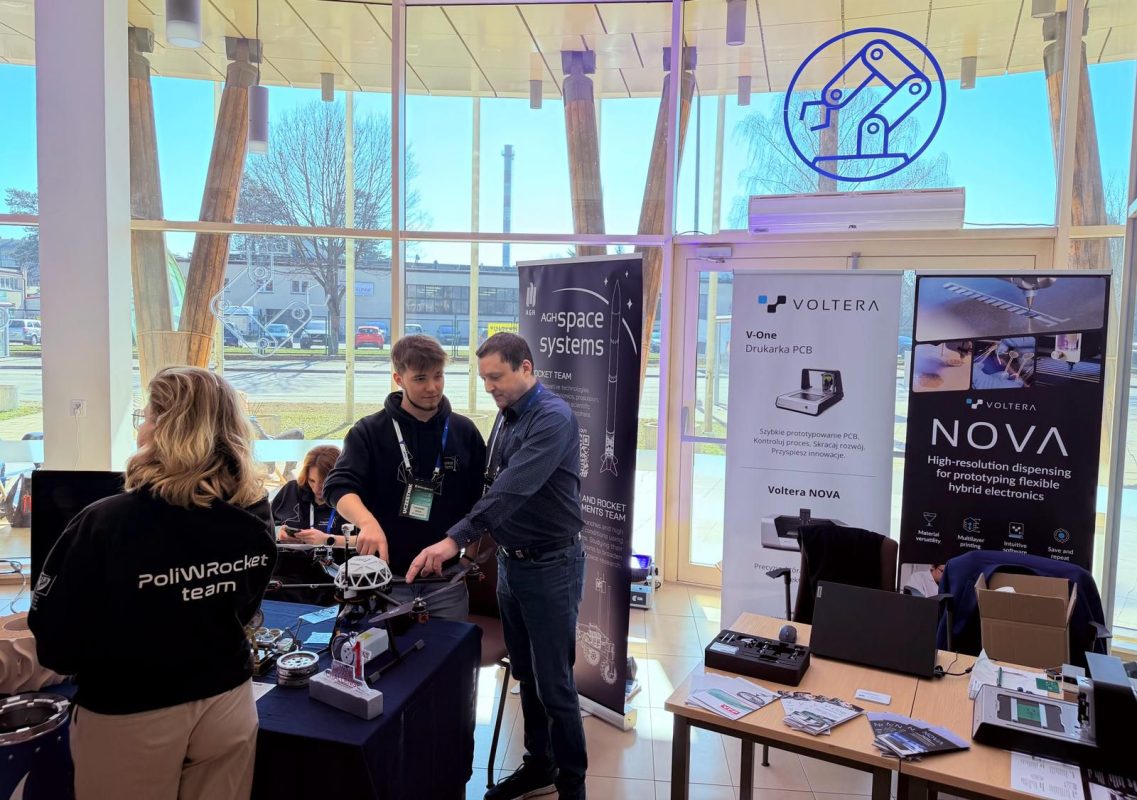
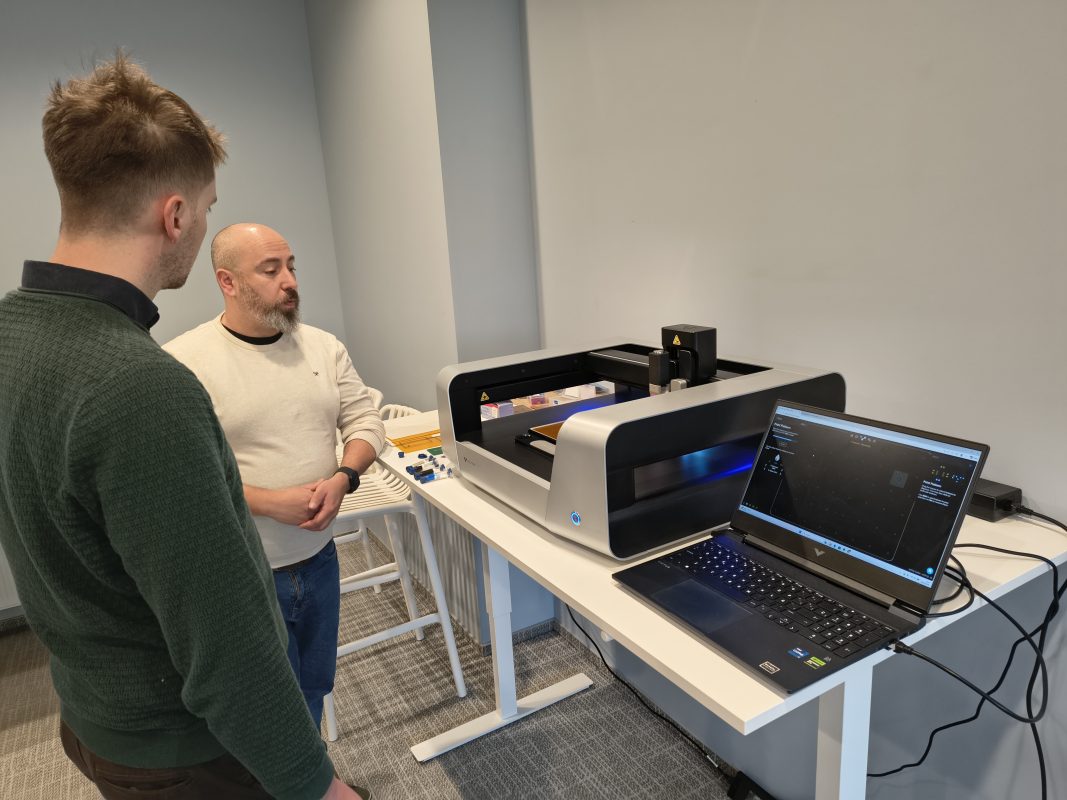
One of the points of the program was a lecture Bartosz Zielonacki from the company Chemikonics, dedicated to a new approach to prototyping electronics for the space sector. The focus was on solutions from a Canadian company Volterathat are changing the way modern research electronics are created.
Voltera – a new standard in space engineering
Traditional PCB production can be too slow for the dynamically developing space sector. Thanks to devices such as Voltera V-One and the platform NOVA, engineers can create and test electronic circuits directly in the lab, reducing iteration time from weeks to just a few hours.
It's not just rapid prototyping anymore. a real change in the way electronics are designed.
Space-proven technology
During the presentation, examples of projects in which additive technologies were used were presented. Voltera support the development of modern space systems:
• Princeton CubeSat Satellite – electronic circuits printed on a printer V-One were launched into orbit and operated in extreme vacuum conditions, confirming the reliability of this technology.
• Projects implemented with NASA – National Aeronautics and Space Administration – Voltera's devices are used to create flexible conformal electronics. One example is intelligent biomedical sensors that can be integrated into astronaut suits and monitor their vital signs in real time.
• Research conducted on MIT – Printing technology supports the development of micro-electric drives and field emission systems that neutralize ion engine plumes, increasing the stability of modern satellites.
During the event, there was also a presentation conductive paints from the company VFP Ink Technologies, which are one of the key elements modern printed electronicsThese materials enable precise application of conductive paths and are used in advanced research and industrial applications.
SpaceShield Summit 2026 showed one thing very clearly: Polish companies are increasingly participating in projects that have global significance.
The future of space electronics will be faster, more flexible and increasingly often… printed.